
Thermal Infrared Inspections
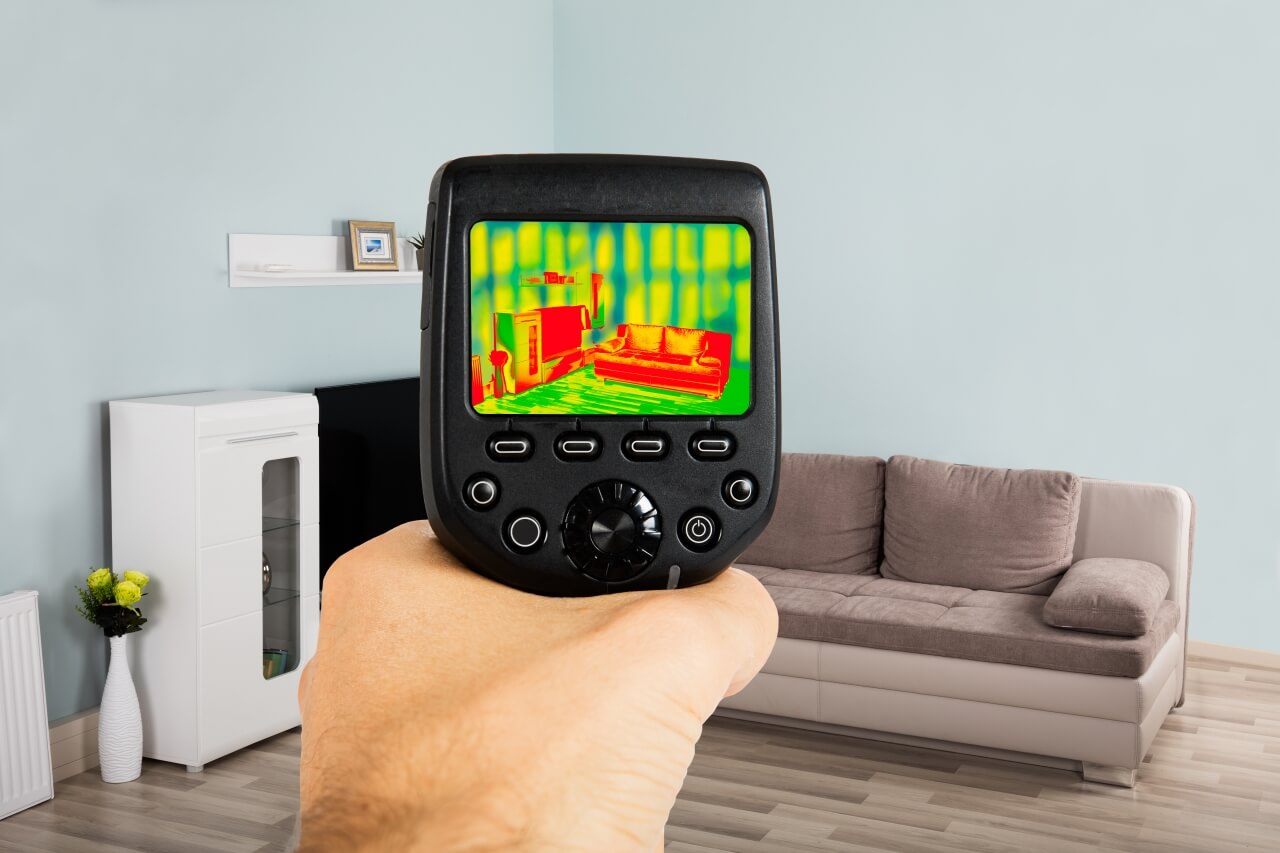
Some of the most important conditions in a building aren’t visible to the naked eye. Moisture behind drywall, missing attic insulation, an overheated electrical connection inside a panel, air leaking around a poorly sealed window, a slow refrigerant leak affecting HVAC performance, and dozens of other conditions all show up as temperature differences that a thermal infrared camera can detect. Thermal infrared inspection is the discipline of using calibrated infrared imaging to translate those temperature differences into actionable findings about buildings. In South Florida’s climate, where humidity, heat, and moisture management are constant challenges, thermal imaging reveals surface conditions that would otherwise remain hidden until they become visible damage.
Landmark Field Services provides thermal infrared inspections throughout Miami, Coral Gables, Homestead, Palmetto Bay, Miami Gardens, Miramar, and North Miami. Our team combines certified thermographic training with the field experience needed to interpret imagery correctly, and we deliver reports that give home inspectors, commercial inspectors, property owners, insurance carriers, and contractors the visual documentation and written analysis they need. Whether you’re evaluating a suspected leak in a residential home, documenting water damage after a storm event, checking the electrical distribution in a commercial building, or investigating comfort issues in a property you already own, a thermal infrared inspection gives you a diagnostic tool that visual review alone cannot match.
About the Thermal Infrared Inspection
A thermal infrared inspection uses a calibrated infrared camera to capture the thermal energy emitted by surfaces. Every object above absolute zero emits thermal radiation, and the intensity of that radiation is directly related to temperature. When two adjacent areas emit different amounts of thermal energy, the difference shows up as a temperature contrast in the resulting image. Interpreting those contrasts, and distinguishing meaningful anomalies from harmless variations, is what makes thermographic inspection a professional discipline rather than a casual imaging exercise.
Our inspectors begin by evaluating conditions. Thermal imaging requires a temperature differential between the areas of interest, either naturally occurring or created by mechanical means. In residential and commercial building inspection work, that typically means running the HVAC system to establish an interior-exterior differential, or conducting the inspection at a time of day when solar loading has produced the necessary contrast. Environmental conditions, recent weather, and the building’s operational state all affect what a thermal camera will reveal, and part of the professional’s job is knowing when conditions support useful imaging and when they don’t.
On residential inspections, thermal imaging reveals missing or compressed attic insulation, air infiltration around windows and doors, plumbing leaks behind finished surfaces, HVAC duct leaks, refrigerant issues affecting evaporator coil performance, water intrusion at roof penetrations, and electrical anomalies at panels and outlets. In commercial building inspections, the scope expands to include roof moisture surveys on low-slope roofing, electrical distribution inspections at switchgear and panels, mechanical equipment evaluation, building envelope air-leakage assessment, and thermal-bridging documentation.
Roof moisture surveys deserve specific mention. Low-slope roofing systems common on commercial buildings, condos, and some residential properties in South Florida frequently develop moisture between the membrane and the insulation below. Wet insulation loses thermal performance, adds weight to the roof structure, and often signals leaks that will eventually reach the interior. Thermal imaging of the roof surface, typically conducted at dusk after a warm day, reveals wet areas that hold heat longer than dry areas. The resulting map guides repair or replacement decisions and can support insurance claims after storm events.
Our thermal infrared inspection reports include annotated infrared images paired with matching visible-light photographs, written explanations of each finding, and recommendations for follow-up action. We deliver reports digitally and format them so property owners, contractors, and insurance representatives can use the information directly.
Why Thermal Infrared Inspections Matter in South Florida
Miami’s climate creates conditions where thermal imaging solves problems that would otherwise be difficult or impossible to diagnose. Humidity stays elevated year-round, so any moisture intrusion into a building envelope creates conditions favorable for mold growth and material deterioration. Finding those moisture points before visible damage develops requires diagnostic tools that see through the finished surface without invasive testing. Thermal imaging is the least invasive method available for identifying moisture-related conditions, and it’s often the first tool deployed when a building’s occupants suspect a problem but can’t locate the source.
Hurricane and tropical storm exposure produces another set of applications. Post-storm damage often includes water intrusion at roof penetrations, window and door openings, and areas where wind-driven rain overcame the building envelope. Some of this damage is immediately visible, but much of it is not. Water can travel considerable distances behind cladding and inside wall cavities before showing up on interior surfaces. Thermal imaging conducted after a storm event reveals moisture patterns that support insurance claims and guide remediation before mold conditions develop.
Electrical inspection applications matter for both residential and commercial properties. Loose connections, overloaded circuits, failing breakers, and undersized wiring all generate heat during operation, and thermal imaging at electrical panels and equipment reveals these conditions before they cause failures or fires. Commercial building owners frequently commission annual thermographic inspections of electrical distribution as part of preventive maintenance programs, and insurance carriers sometimes require this documentation for coverage on larger properties.
HVAC diagnostics are another common application in South Florida. Duct leakage in attic-installed ductwork wastes cooling capacity and drives up electricity costs, and thermal imaging identifies where conditioned air escapes. Thermal imaging can also reveal refrigerant charge issues, blocked returns, and inconsistent airflow patterns when the system runs under load. For property owners struggling with comfort issues or unexpectedly high utility costs, a thermal HVAC survey often identifies specific correctable problems.
Real estate transactions increasingly incorporate thermal imaging as part of due diligence. Buyers of higher-value residential properties and commercial buildings often want the additional documentation thermal imaging provides beyond a standard home inspection or commercial inspection. Sellers preparing for a listing occasionally commission thermal surveys to identify and address conditions before buyers’ inspectors find them.
Why Choose Landmark Field Services for Your Thermal Infrared Inspection?
Our inspectors hold professional training and certifications in thermographic inspection, which is meaningfully different from someone who happens to own an infrared camera. Interpreting thermal imagery correctly requires an understanding of building science, heat transfer, camera operation, environmental factors that affect readings, and the specific applications for which the imagery is used. Our team combines that thermographic training with the broader field experience our home inspectors and commercial inspectors bring to every property.
We use professional-grade infrared cameras with the resolution, sensitivity, and calibration required for professional-level work. Consumer-grade or attachment-based imaging solutions produce imagery that looks similar at first glance but lacks the resolution and thermal sensitivity to distinguish meaningful anomalies from noise. That distinction matters when the imagery will support insurance claims, repair decisions, or purchase decisions.
Because we operate as a multi-inspector firm, we can schedule thermal inspections around the conditions they require, including early morning or dusk timing for roof surveys and mid-day timing for envelope work. We often coordinate thermal imaging with our other services, and many clients bundle a thermal inspection with a full detailed home inspection, a plumbing camera inspection, or a mold inspection when the situation calls for multiple diagnostic approaches.
Schedule Your Thermal Infrared Inspection in Miami, Coral Gables, and Beyond Today
Landmark Field Services offers thermal infrared inspections alongside wind mitigation inspections, 4-point inspections, roof certifications, replacement cost appraisals, property appraisals, termite inspections, full detailed home inspections, roof drone inspections, mold inspections, plumbing camera inspections, and 11-month warranty inspections. Thermal imaging pairs particularly well with mold inspections when moisture is suspected but not yet visible, with plumbing camera inspections when a leak location is uncertain, and with roof drone inspections when you need comprehensive roof-condition documentation after a storm event.
To book your thermal infrared inspection, contact us or schedule online. We serve Miami, Coral Gables, Homestead, Palmetto Bay, Miami Gardens, Miramar, and North Miami. Whether you’re investigating a suspected leak in a residential home, documenting storm damage on a commercial property, evaluating comfort issues, or building preventive maintenance documentation for a portfolio, our thermographers are ready to bring the calibrated imaging your situation requires.